Adaptive Windshield
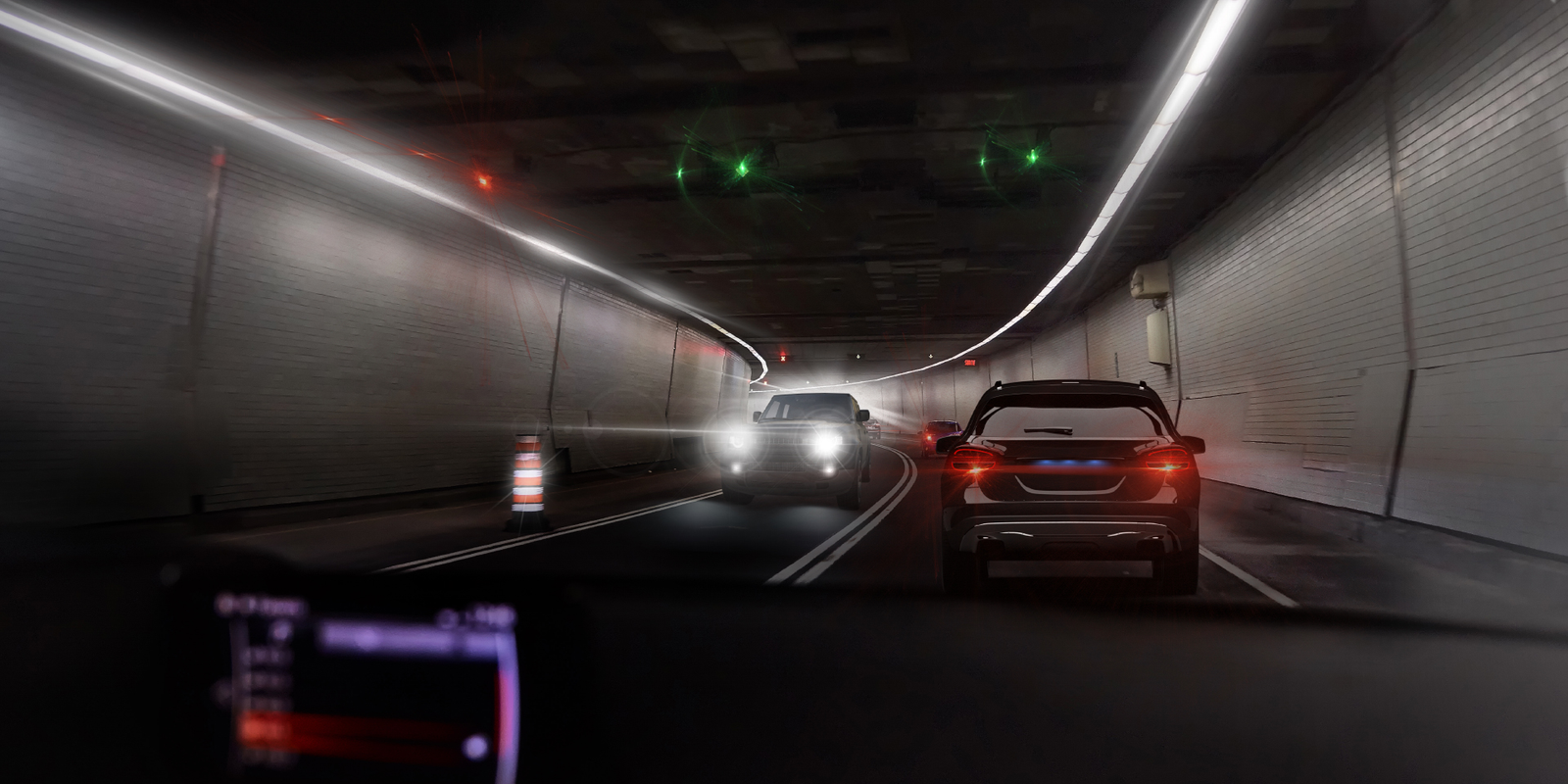
At dusk and dawn, diffracted light collapses depth perception. At night, high-intensity LED and HID headlights introduce glare that causes brief, effective blindness.
The windshield — the primary optical surface between a driver and the road — does nothing to resolve either condition.
The optics are already understood.
Driving lenses address this through selective attenuation of high-energy visible light near 450nm, reducing perceived glare while maintaining visual clarity.
No color shift.
Only control over which wavelengths pass through the glass.
The architecture:
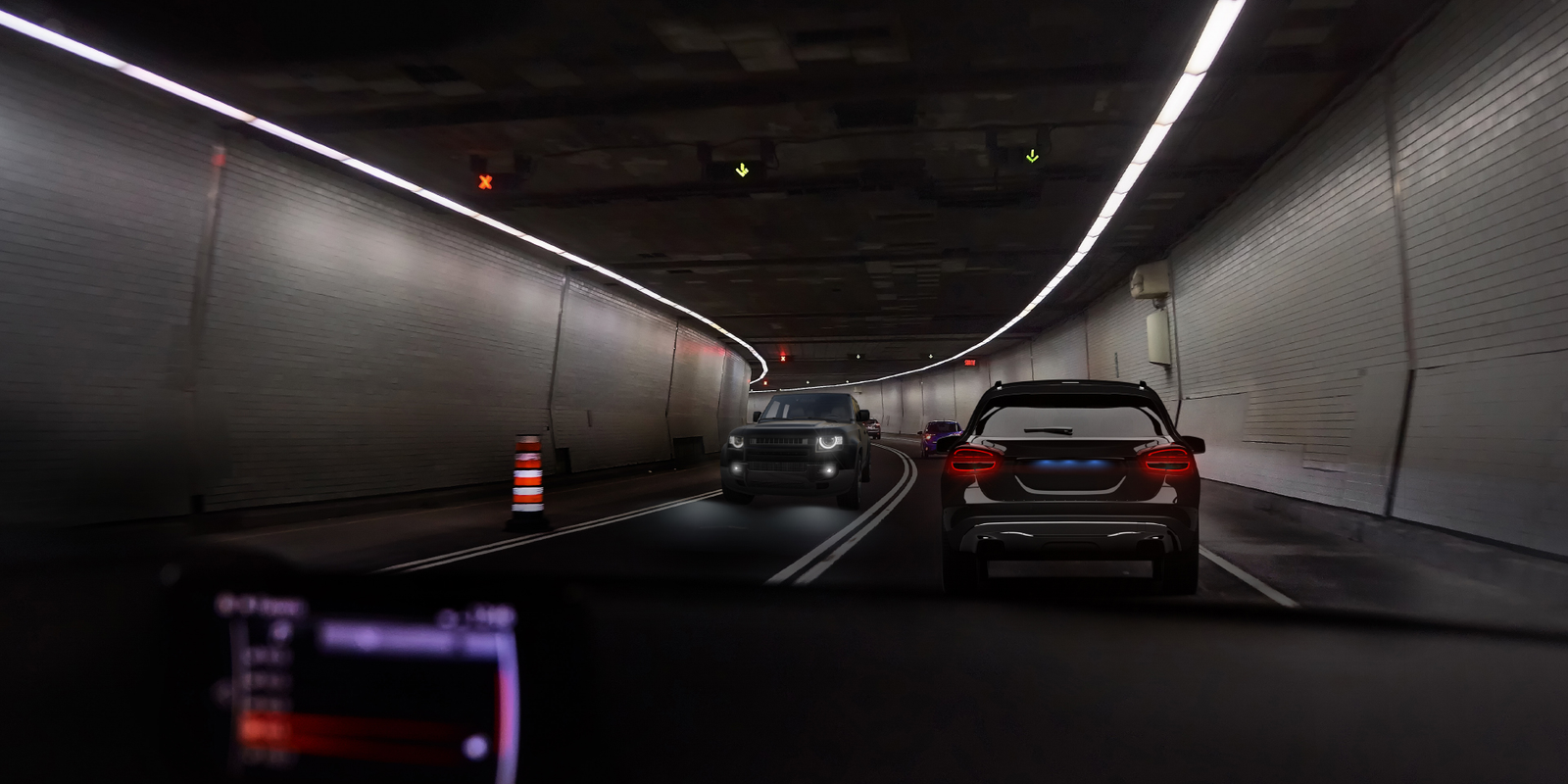
A clear electrochromatic laminate integrated within the windshield, embedded with transparent electrodes. When voltage is applied, the internal structure aligns to replicate the same selective filtering used in optical driving lenses.
When active, it restores contrast and depth perception — without introducing visible coloration.
When the light condition passes, the filtering disengages and the glass returns to its neutral state.
Every component in this system is mature.
Selective wavelength filtering is standard in optical design.
They do not exist together.
The next evolution: localized, real-time attenuation of oncoming headlight glare — using the forward-facing cameras already built into modern vehicles to track light sources and activate targeted zones within the laminate. The infrastructure is already in the car.
What didn't exist was seeing how they fit together.
This is how we think.
This is how we build.